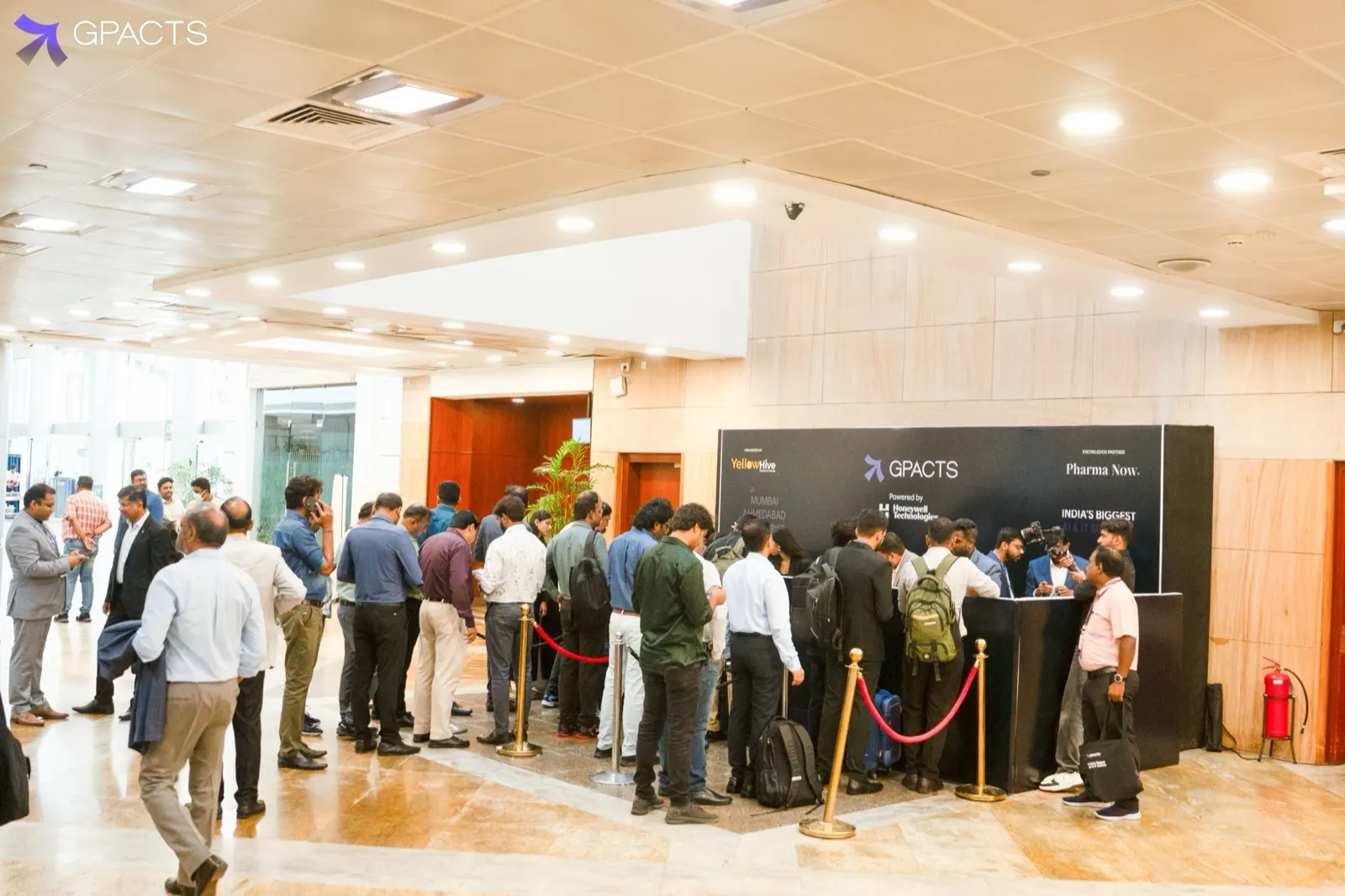
After most events, three teams hold three different numbers. Marketing has registrations, finance has payments, and operations has check-ins. Matching them can take weeks.
Where the gap comes from
- Registrations and payments live in different tools with different IDs
- Refunds are recorded in one system but not the other
- Walk-ins registered at the desk are logged in a spreadsheet
- Check-in exports use a third format again
One record per attendee
When registration, payment and check-in are stored on the same attendee record, the three numbers come from one place. A refund updates the record, and a walk-in creates it at the desk. Nothing needs to be matched afterwards.
What finance needs on the day after
- Gross revenue by ticket type, net of refunds
- Refunds issued, by ticket type
- No-shows by ticket type
- Walk-ins registered on the day
Measuring cost per attendee
With one record, you can divide total event cost by the number of people who actually checked in, not the number who registered. That figure is a better basis for next year’s budget and sponsor pricing.
The aim is simple: the number at the door is the number finance signs off.
Common questions
Why don’t registration, payment and attendance numbers match after an event?
Because they live in different tools. Registrations and payments use different IDs, refunds are recorded in one system but not the other, walk-ins go into a spreadsheet and check-in exports use a third format. Marketing, finance and operations each hold a different number, and matching them can take weeks.
How does a single attendee record fix reconciliation?
It puts all three numbers in one place. When registration, payment and check-in are stored on the same attendee record, a refund updates that record and a walk-in creates it at the desk. Nothing needs to be matched afterwards, so the number at the door is the number finance signs off.
How do you measure cost per attendee for an event?
Divide total event cost by the number of people who actually checked in, not the number who registered. With registration, payment and check-in on one record, that count comes from one place. The figure is a better basis for next year’s budget and sponsor pricing.